
Grey Squirrel Management
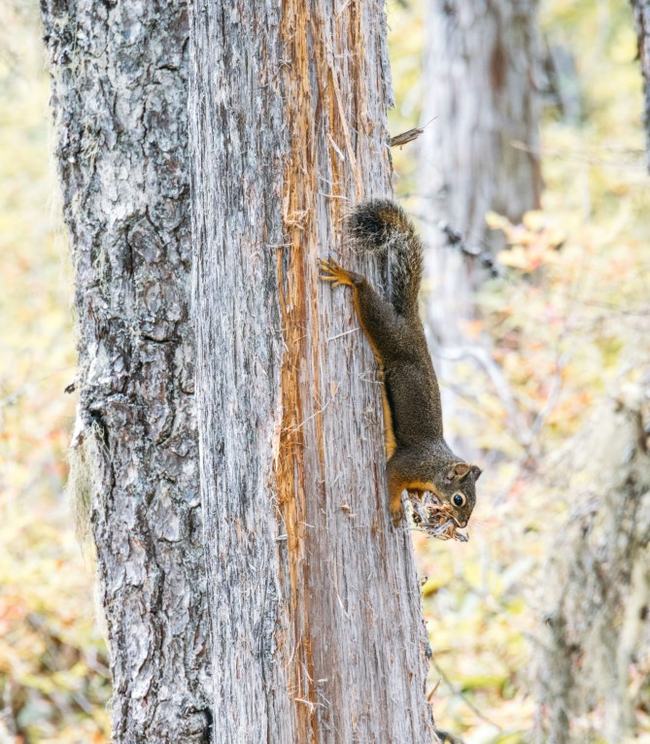
Grey squirrels can cause significant damage to woodland trees through bark stripping, affecting the long-term health of our woodlands. High populations can also put pressure on native wildlife, including nesting birds. Responsible squirrel management helps protect trees, support biodiversity and create healthier habitats for wildlife.
Why Are We Managing Grey Squirrels in Our Country Parks
Protecting Woodlands, Wildlife and Biodiversity
You may notice grey squirrel management activities taking place in some areas of our Country Parks as part of our ongoing work to care for and protect these important natural spaces. Grey squirrels are an invasive, non-native species and, where populations become very high, they can have a significant impact on woodland habitats. One of the most serious issues is bark stripping, where squirrels remove bark from growing trees. This can weaken, deform, or even kill trees, affecting the long-term health and resilience of woodlands. Forestry organisations, including the Forestry Commission recognise grey squirrel management as an important tool for protecting trees and woodland habitats. Healthy woodlands are essential for wildlife. Trees provide food, shelter, and breeding habitats for countless species, including birds, bats, insects, mammals, and fungi. Protecting woodland health helps ensure these species continue to thrive.
Supporting Native Wildlife
Grey squirrels are opportunistic predators and may take eggs and chicks from nests when the opportunity arises. In areas where squirrel populations are particularly high, this can place additional pressure on native woodland bird populations. Managing squirrel numbers is one of several measures used to support a balanced and healthy ecosystem. Combined with habitat improvements, woodland management, and conservation projects, it can help create better conditions for nesting birds and other wildlife across our parks.
Why Is Control Needed?
In many areas of the UK, including Black Park and Langley Park grey squirrel populations can grow rapidly because food and suitable habitat are readily available. Without management, numbers can reach levels where damage to trees and impacts on wildlife become increasingly significant. Active population management is therefore often necessary to reduce these effects and support wider conservation objectives.
How Is Management Carried Out?
Any squirrel control undertaken within our Country Parks is carried out by trained staff and contractors using legal and approved methods. Public safety, animal welfare, and the protection of non-target species are key considerations in all management activities. Equipment is regularly monitored and positioned to minimise risks to other wildlife.
Part of a Bigger Conservation Programme
Grey squirrel management is only one part of our wider work to conserve and enhance biodiversity. Across our Country Parks we are also:
- Managing and restoring woodland habitats.
- Protecting young and veteran trees.
- Creating and improving habitats for birds, bats, and pollinators.
- Managing invasive non-native species.
- Enhancing biodiversity and ecological resilience.
- Improving opportunities for people to experience and enjoy nature.
Our Aim
Our aim is not to eradicate grey squirrels, but to manage populations responsibly where they are causing significant impacts. By doing so, we can help protect woodland habitats, support nesting birds, and other wildlife, and ensure our Country Parks remain healthy, diverse, and enjoyable places for future generations.
Thank you for your understanding and support as we continue to care for our parks and the wildlife that calls them home.
If you would like to find out more about how we are improving our parks for generations to come, read about the forestry works being carried out.